Smorgasburg LA
ROW DTLA, Downtown Los Angeles
Weekly outdoor food market featuring 100+ independent food vendors from across LA County. The market rotates vendors seasonally to spotlight emerging local food businesses.
Los Angeles stands as the nation's second-largest Designated Market Area, presenting a dynamic landscape for local TV advertising. The city's 3.8 million residents, alongside the broader Los Angeles County's nearly 10 million viewers, form an expansive and engaged audience. This significant consumer base drives a regional economy with a GDP exceeding $700 billion annually. Businesses across Los Angeles employ local television as a direct conduit, broadcasting their messages into countless households. This approach creates immediate local impact, establishing vital connections within the community.
Local TV channels in Los Angeles mirror the city's unparalleled diversity, effectively reaching a mosaic of communities. Los Angeles residents speak over 185 languages, with nearly 50% identifying as Hispanic/Latino and 15% as Asian. Local programming offers tailored content for these varied demographics. Advertisers strategically place their messages, ensuring commercials resonate with specific viewer segments. This precise targeting bridges the communication gap, directly connecting viewers with the businesses they see on screen.
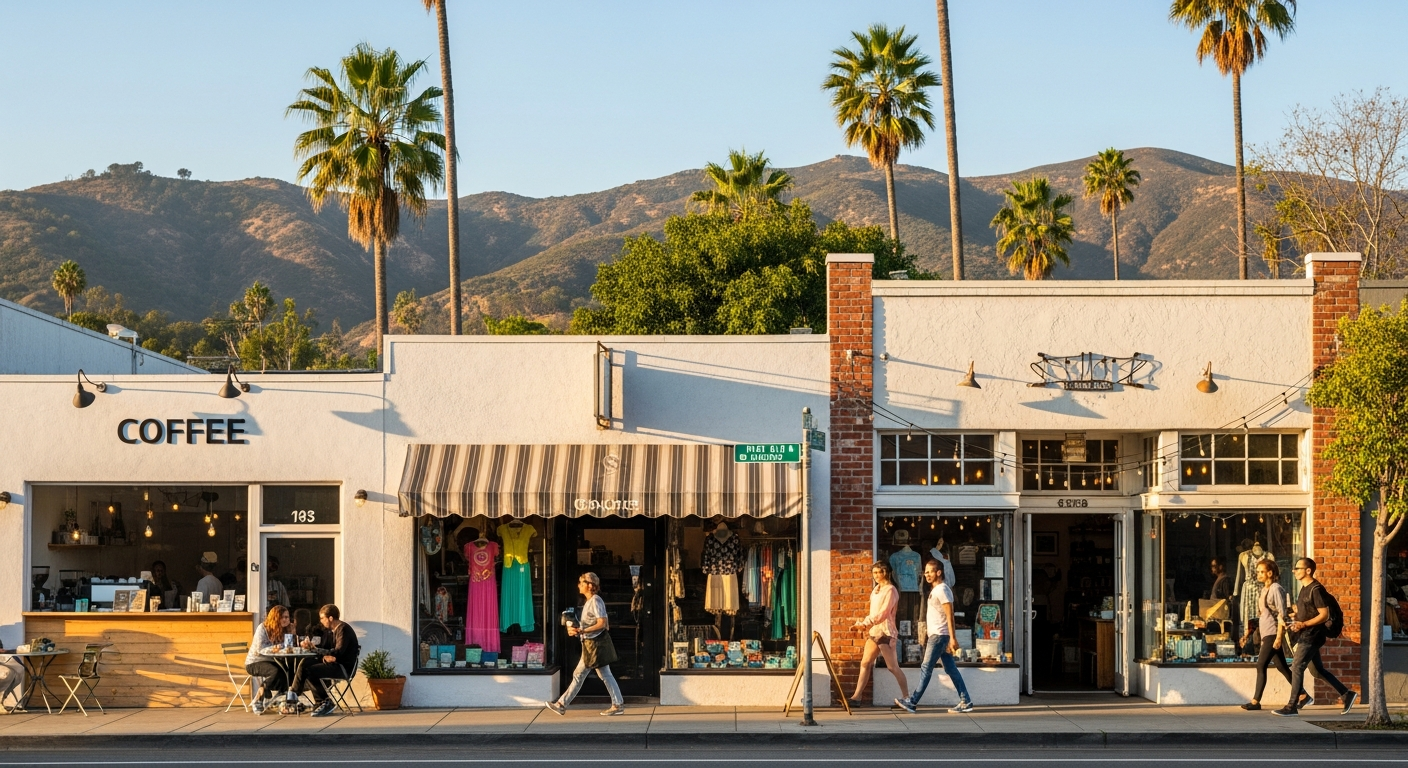
An east-side neighborhood anchored by Sunset Junction, where independent coffee roasters, vintage shops, and farm-to-table restaurants line Sunset Boulevard and Rowena Avenue. The area's 1920s architecture houses creative businesses and design studios.
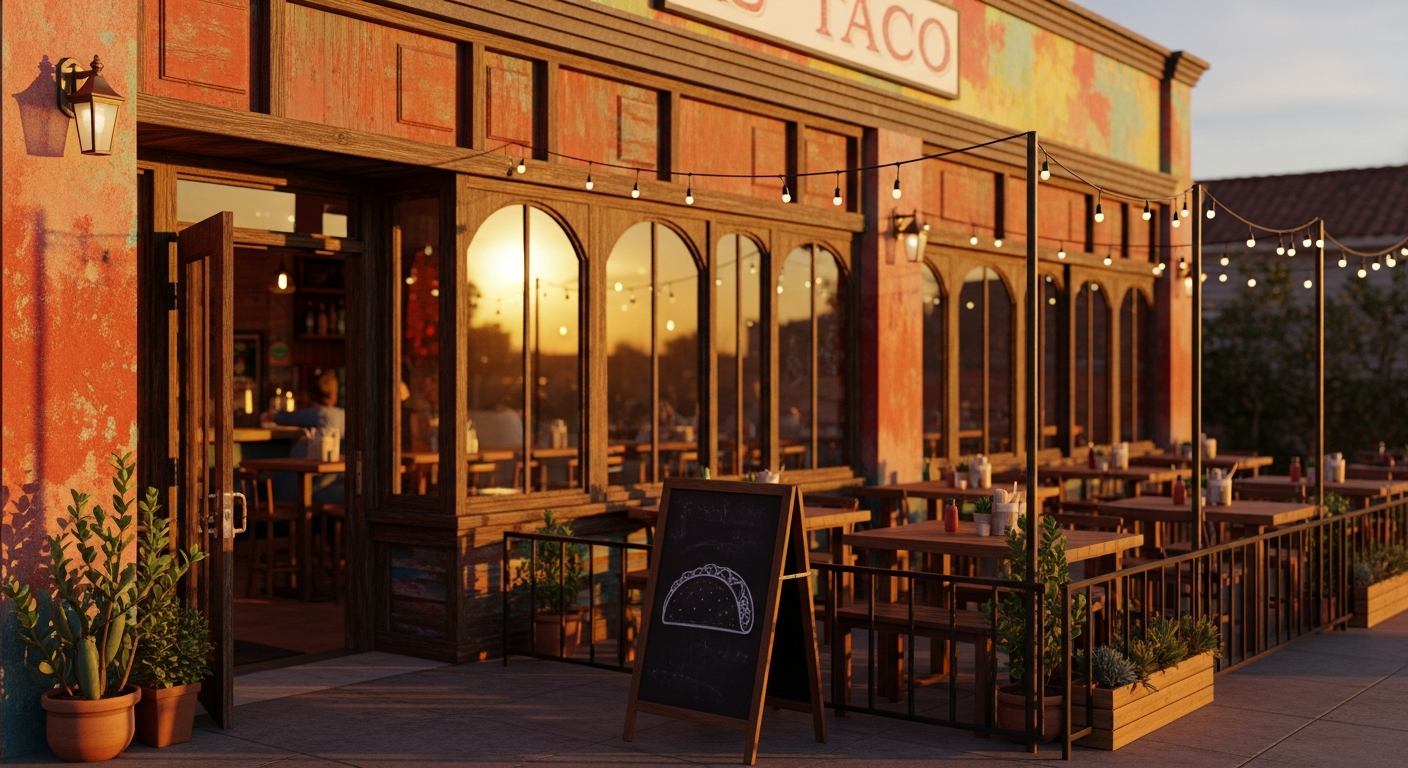
A 30,000-square-foot food hall in downtown LA operating since 1917. Over 40 independent food vendors serve dishes from Oaxacan mole to Thai boat noodles, representing the city's culinary diversity under one roof.
A two-block stretch along Sawtelle Boulevard on the Westside featuring independently owned Japanese restaurants, ramen shops, mochi bakeries, and specialty grocery stores serving the neighborhood since the 1920s.
A former industrial zone east of downtown converted into galleries, independent restaurants, craft breweries, and creative studios. The neighborhood's warehouse architecture now houses over 100 independently owned businesses.
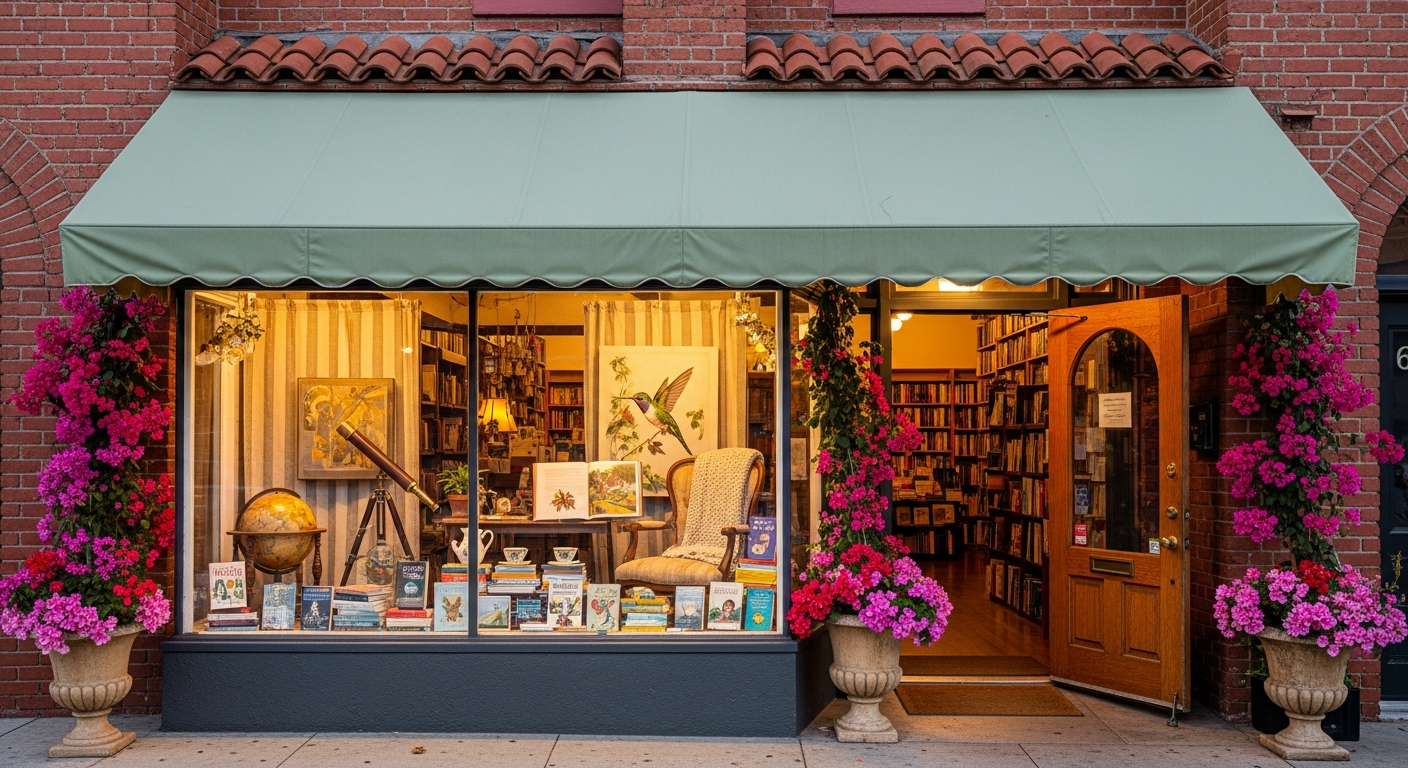
A northeast LA neighborhood along Figueroa Street and York Boulevard where independent bookstores, coffee shops, vintage stores, and restaurants occupy early 20th-century commercial buildings.
Venice's two commercial corridors serve different audiences. The boardwalk draws tourists with independent vendors and street performers. Abbot Kinney Boulevard hosts upscale independent boutiques, restaurants, and design shops ranked among the best shopping streets in America.
ROW DTLA, Downtown Los Angeles
Weekly outdoor food market featuring 100+ independent food vendors from across LA County. The market rotates vendors seasonally to spotlight emerging local food businesses.
Various routes across Los Angeles
Open streets event that closes major boulevards to car traffic, allowing residents to walk, bike, and discover businesses along the route. Each event covers 6-10 miles and passes hundreds of independent shops and restaurants.
Sunset Triangle Plaza, Silver Lake
Weekly artisan market in Silver Lake featuring local makers, vintage dealers, and independent food vendors. The market operates year-round in Sunset Triangle Plaza.
Pasadena Rose Bowl
Annual celebration of LA's street food culture featuring 80+ food trucks and vendors. The festival highlights independent operators who build businesses from mobile kitchens.
Abbot Kinney Blvd, Venice
Annual street festival along Venice's Abbot Kinney Boulevard featuring independent retailers, restaurants, live music, and local artists. Over 50,000 attendees visit the mile-long stretch.
Los Angeles features distinct neighborhoods, each with unique consumer profiles. Businesses in Santa Monica, for instance, target a high-income, health-conscious demographic. Downtown LA businesses focus on urban professionals and tourists. The San Fernando Valley's diverse communities, from family-centric suburbs to bustling commercial zones, require localized messaging. Local TV stations offer geographic targeting options, broadcasting specific advertisements to viewers within a 10-mile radius of a business. This hyper-local approach ensures restaurants, retailers, and service providers connect directly with their immediate customer base, driving foot traffic and local sales.

Los Angeles boasts one of the world's most diverse populations, with a vibrant mix of cultures and languages. Over 185 languages are spoken across the county. This includes a significant Hispanic/Latino population, representing nearly half of all residents, and a sizable Asian community, accounting for 15%. Local TV stations respond by offering a range of programming in multiple languages and culturally relevant content. Advertisers partner with these stations to place commercials on specific channels or during shows that cater to these distinct groups. This strategy ensures messages resonate authentically, effectively reaching diverse audiences across the expansive Los Angeles market.
Los Angeles's identity as the entertainment capital of the world profoundly influences local TV viewership and advertising effectiveness. Residents here exhibit a high level of media literacy and engagement. Over 100,000 individuals work directly in the entertainment industry in Los Angeles County. This environment fosters a sophisticated audience, often more attuned to production quality and storytelling in advertisements. Local businesses benefit from this heightened engagement. They craft high-quality commercials, knowing a discerning audience pays attention. Local TV provides a credible platform, associating businesses with the city's dominant industry and capturing audience interest through compelling visual narratives.